Every HVAC system reaches the point where keeping it alive costs more than letting it go, and knowing where that line is takes honest arithmetic. The signals tend to arrive together in Rogers, AR: a compressor drawing more amps each summer, a heat exchanger flagged at the last inspection, refrigerant top-offs on a system that runs R-22 or an early R-410A charge, and utility bills that climb while comfort slides. The test we use is simple: when a repair costs a meaningful fraction of replacement on equipment past the twelve-to-fifteen-year mark, the repair is usually buying you months, not years, and every dollar of it is spent on technology a generation behind current SEER2 and AFUE standards.
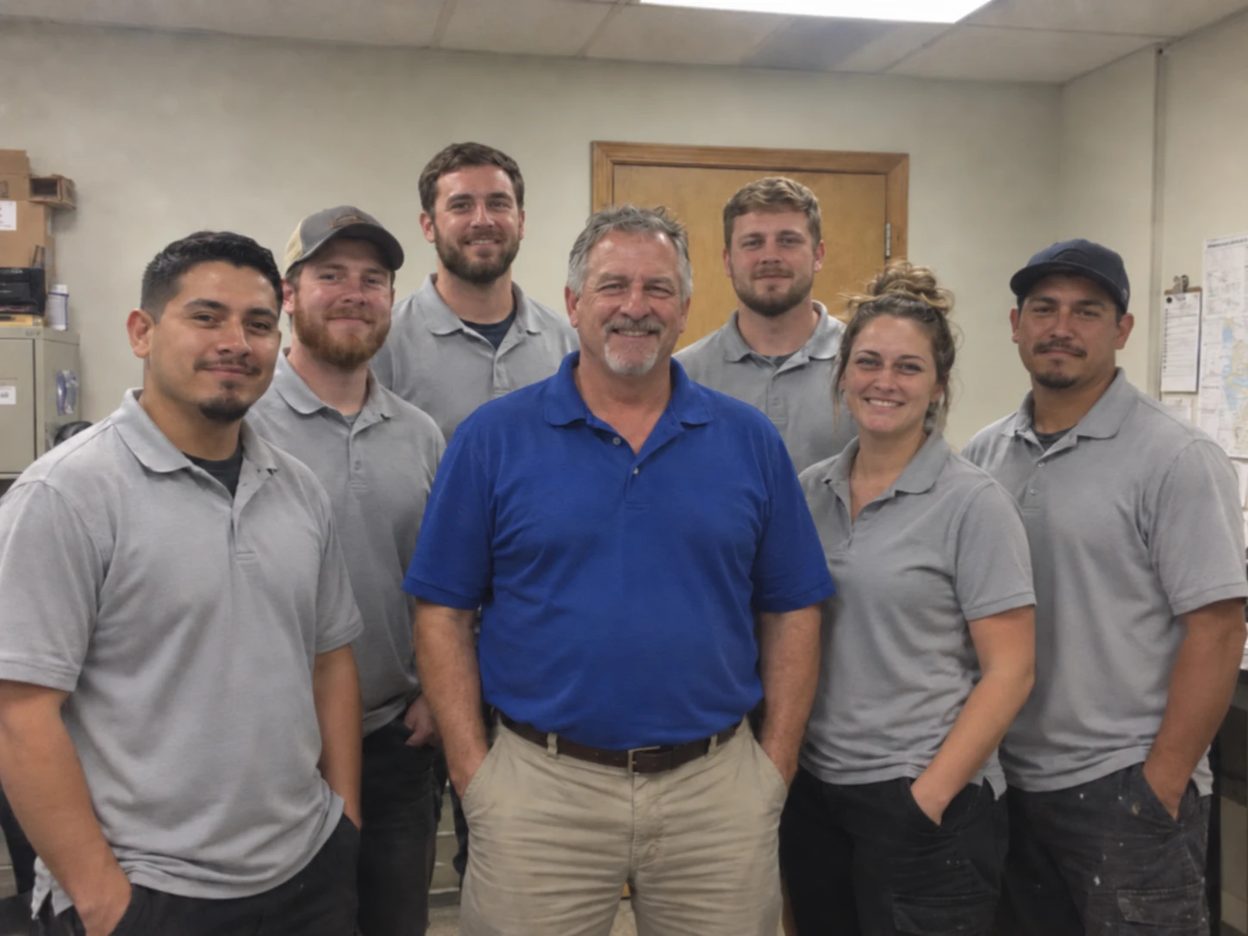
At Rogers HVAC, we treat replacement as a decision first and a project second. Our team lay out the actual readings, the failed part, and what the repair versus the replacement really costs. If one more repair is the smarter move, we say so and fix it. If replacement makes sense, we design the new system instead of copying the old one: a fresh load calculation to catch any sizing mistakes from the original install, static pressure readings on the ductwork, and matched equipment options explained in plain good-better-best terms, with no push toward more system than your home needs.
Changeout day is where our discipline shows. The old refrigerant is recovered properly, the old equipment hauled off, and the new system installed like it matters: line set pressure-tested and evacuated to a verified vacuum, charge weighed in and proven with superheat and subcooling, gas connections leak-tested and venting run to spec, condensate trapped with float protection, and the thermostat configured for the new equipment's staging. Then we commission with recorded readings so the system has a documented baseline from its very first cycle. For HVAC replacement in Rogers that starts with honest math, call (479) 457-8746.
Most of our service calls are for AC Repair in Rogers and Furnace Repair in Rogers. If something has stopped working, start there.
Warning Signs for HVAC Replacement
The sooner you notice these red flags, the easier and cheaper the problem is to resolve. These are the signals our technicians see most often when a problem is underway:
- Service calls getting more frequent and more expensive
- A major compressor or heat exchanger problem on an older system
- Rust, soot, or corrosion advancing across the cabinet and coils
- The equipment is loud enough that you notice every cycle
- Utility costs creeping up every season while your habits stay the same
- The system is past the twelve-to-fifteen-year mark and failures are accelerating
- Refrigerant leaks that need recharging too often, or an R-22 system
- Comfort complaints the old system never resolves: hot rooms, cold floors, sticky air
Don't Wait for a Total Failure
What seems like a minor issue today can take out a compressor or heat exchanger tomorrow. Call Rogers HVAC at (479) 457-8746 at the first sign of trouble.
Ready to Solve Your HVAC Replacement Problem?
Call Rogers HVAC for fast, reliable service.
Get Help: (479) 457-8746HVAC Replacement FAQ
Why Hire a Professional for HVAC Replacement?
A replacement is your best chance to correct what the original installer got wrong, but only if someone actually measures. A large share of existing systems are oversized, and copying that capacity locks in another fifteen years of short cycling, weak humidity control, and premature wear. Ducts that leak or choke the blower hand the same problem to brand-new equipment. That is why a professional replacement begins with a load calculation and static pressure readings: the new system should be designed for the house as it is, not for the old invoice.
Every step of a changeout has consequences that show up years later. Refrigerant must be recovered under federal rules. The new refrigerant circuit needs a verified vacuum before charging, because moisture left inside will damage the compressor over time. Gas piping must be leak-tested and venting drafted to spec. We finish with commissioning as a standard part of the job, not an extra: recorded temperature split, temperature rise, amp draws, and charge readings that prove the system delivers what it promises and create a baseline for years of service. That is the difference between replacing equipment and genuinely upgrading your home.
Our HVAC Replacement Process
We follow a proven process to ensure every repair and installation is completed to the highest standards. Here's what you can expect when you choose Rogers HVAC:
Straight Repair-or-Replace Review
You see the readings, the failed part, and a side-by-side cost comparison. When a repair is the better value, we recommend it and do the work, with no manufactured urgency.
New Design, Not a Clone
Instead of copying the old unit's size, we recalculate the load, measure duct static pressure, and present matched good-better-best options with a firm installed price.
Clean Changeout
Out goes the old equipment, refrigerant recovered properly, and in goes the new system, installed to spec with every connection tested and the charge weighed rather than guessed.
Startup & Documented Baseline
We prove the new system performs with recorded startup numbers, set up the thermostat for its staging, and hand over a performance baseline you can use for years.
Questions About HVAC Replacement?
Call Rogers HVAC to discuss your HVAC replacement needs with an experienced technician.
Call (479) 457-8746 TodayHow to Prevent HVAC Replacement Problems
Taking preventive measures can help you avoid costly heating and cooling problems down the road. Follow these tips from our experienced technicians:
- Flush the drain line once a year to keep clogs and shutoffs away
- Keep your startup readings on file and share them with every technician
- Avoid extreme thermostat swings; right-sized equipment runs best at a steady pace
- Keep the outdoor unit clean and clear on all sides through every season
- Address small changes in performance early, while repairs are simple and the warranty is fresh
- Change filters on schedule; the fastest way to age new equipment is to starve its airflow
- Keep twice-yearly maintenance from year one so the new system's baseline never drifts unnoticed
Should You DIY or Call a Pro?
While some minor tasks like changing filters or checking a thermostat can be handled by homeowners, most HVAC work involves refrigerant, gas combustion, and high-voltage electricity, jobs that call for professional expertise. Consider the following comparison:
| Factor | DIY Attempt | Professional Service |
|---|---|---|
| Repair or Replace | Urgency with no numbers | Measured data and a straight cost comparison |
| System Sizing | Same size as before, mistakes included | Load recalculated for the actual home |
| Refrigerant Removal | Dumped into the atmosphere | Recovered with proper equipment |
| Ductwork | Leaks and chokepoints ignored | Static pressure measured, faults corrected |
| The Install | Swapped and hoped | Evacuated, weighed, leak-tested, verified |
| Handoff | Nothing to measure future problems against | Startup readings recorded for the future |
Schedule Your HVAC Replacement Service
Every day you wait puts more strain on a struggling unit. Get Rogers HVAC on the job today.
Call (479) 457-8746 NowHVAC Replacement Across the Rogers Area
We serve Rogers and its neighboring communities for HVAC replacement, from quick same-day repairs to planned installs.